Introduction
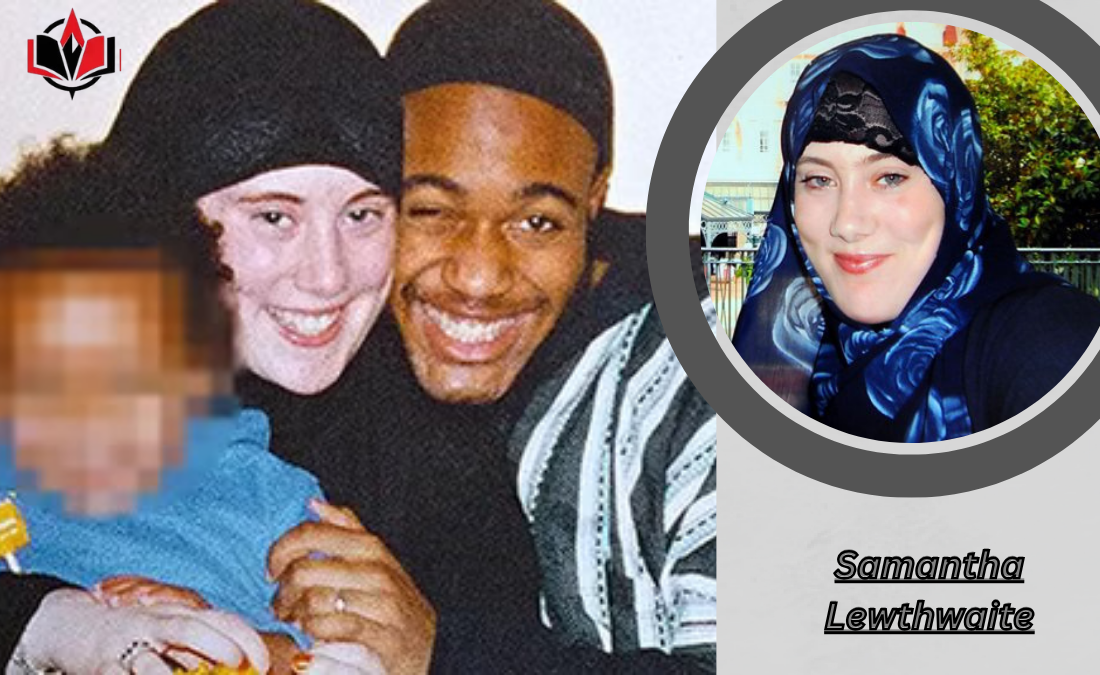
The name Samantha Lewthwaite has been widely discussed in global media over the past two decades. Often referred to as the “White Widow,” she is one of the most controversial and mysterious figures associated with modern extremism. Her life story involves a complex mix of personal tragedy, alleged radicalization, and international manhunts.
Although sometimes mistakenly searched as “Sarah Lewthwaite,” the correct and widely known figure is Samantha Lewthwaite. This article explores her background, rise to notoriety, alleged activities, and the unanswered questions surrounding her fate.
Early Life and Background
Samantha Louise Lewthwaite was born on December 5, 1983, in Northern Ireland. She spent parts of her childhood in both Northern Ireland and England after her parents separated.
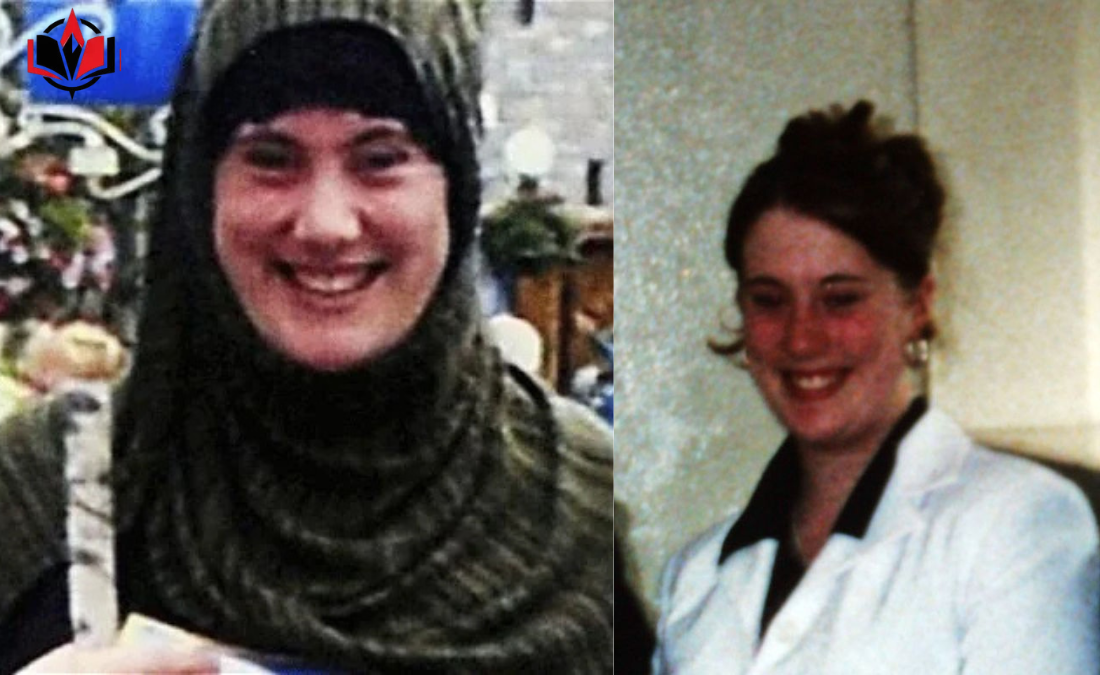
Her upbringing was relatively ordinary. She attended school in the UK and was described as a quiet and intelligent student. However, her life began to take a different direction during her teenage years when she converted to Islam.
Her conversion was reportedly influenced by her social environment and friendships. During this time, she became increasingly interested in religious studies and cultural identity. Later, she enrolled at the School of Oriental and African Studies, although she did not complete her degree.
Marriage to Germaine Lindsay
A significant turning point in her life came when she married Germaine Lindsay.
Lindsay was one of the suicide bombers involved in the 7 July 2005 London bombings, a series of attacks on London’s public transport system that killed 52 people and injured hundreds.
At the time of the attacks, Lewthwaite was pregnant with their second child. After the bombings, she publicly denied any knowledge of her husband’s plans and initially presented herself as a victim of circumstance.
Her emotional public statements gained sympathy in the early days following the tragedy. However, over time, authorities began to reassess her potential connections and activities.
Life After the London Bombings
After the death of her husband, Lewthwaite’s life became increasingly secretive. She reportedly received financial assistance and was under observation by security agencies.
For a period, she lived quietly in the UK, but her name resurfaced later in connection with suspected extremist networks abroad. Authorities began to suspect that she had moved beyond being merely the widow of a terrorist and had potentially become involved in extremist activities herself.
Alleged Radicalization and Extremist Links
Lewthwaite is believed to have become connected with Al-Shabaab, a militant group operating primarily in East Africa.
According to various intelligence reports:
- She allegedly provided logistical and financial support to extremist operations.
- She was accused of helping recruit individuals.
- She reportedly used multiple identities to avoid detection.
Authorities in countries such as Kenya and Somalia linked her to planned attacks and possession of explosive materials.
However, it is important to note that while many allegations exist, some claims have not been conclusively proven in court.
Activities in East Africa
Lewthwaite is believed to have spent several years in East Africa, particularly in Kenya and Somalia.
Reports suggest that she:
- Lived under false names and identities
- Maintained connections with militant groups
- Escaped law enforcement operations on multiple occasions
She became a key target for international security agencies. At one point, Kenyan authorities issued warrants for her arrest related to alleged involvement in terror plots.
Her ability to evade capture contributed significantly to her growing notoriety.
The “White Widow” Nickname
The media gave Lewthwaite the nickname “White Widow,” which quickly became widely recognized.
The term reflects two main aspects:
- She was the widow of a suicide bomber
- She was a Western-born (white British) woman linked to extremist networks
The nickname, while sensational, also contributed to public fascination with her story and intensified media coverage.
Links to Major Terror Incidents
Lewthwaite has been associated—directly or indirectly—with several attacks in East Africa. One of the most widely discussed incidents is the Westgate shopping mall attack in Nairobi, Kenya.
The attack, carried out by Al-Shabaab militants, resulted in the deaths of at least 67 people.
Some early reports suggested that Lewthwaite may have been involved, but later investigations produced conflicting information. Authorities have never definitively confirmed her direct participation in that specific attack.
This highlights a recurring theme in her story: widespread suspicion, but limited confirmed evidence in certain cases.
Life as a Fugitive
Over time, Lewthwaite became one of the most wanted women in the world.
Key aspects of her life as a fugitive include:
- Use of forged documents and fake identities
- Frequent movement between countries
- Avoidance of surveillance and arrest operations
She reportedly evaded capture during police raids, sometimes escaping just hours before authorities arrived.
Her ability to remain hidden for so long has led to speculation about the support networks that may have helped her.
Family and Personal Life
Lewthwaite is believed to be the mother of four children. After the death of Germaine Lindsay, reports suggest she may have formed relationships with other individuals linked to extremist circles.
There are claims that her children were raised in environments influenced by extremist ideology, though verified details are limited due to the secretive nature of her life.
Her role as a mother contrasts sharply with her alleged involvement in violent activities, making her story particularly complex and controversial.
Conflicting Reports About Her Fate
One of the biggest mysteries surrounding Samantha Lewthwaite is her current status.
Different reports have suggested:
- She may still be alive and hiding in remote regions
- She may have died during conflict or military operations
- She may have changed her identity and is living undetected
As of now, there is no confirmed public record of her death. This uncertainty has kept her story alive in both media and intelligence circles.
Media Coverage and Public Perception
Lewthwaite’s story has been widely covered in international media, documentaries, and investigative reports.
She is often portrayed as:
- A symbol of Western radicalization
- A mysterious fugitive
- A controversial figure surrounded by unanswered questions
However, media narratives sometimes differ in tone and accuracy, with some reports criticized for sensationalism.
Important Clarification: “Sarah Lewthwaite”
It is worth noting that the name “Sarah Lewthwaite” is sometimes searched online, but it does not refer to the same person.
There are individuals with similar names, including academics and professionals, who have no connection to terrorism or criminal activity. This confusion highlights the importance of verifying identities when researching such topics.
Conclusion
The story of Samantha Lewthwaite remains one of the most intriguing and controversial cases in modern counterterrorism.
From her early life in the UK to her alleged involvement with extremist networks in East Africa, her journey raises many questions about radicalization, identity, and global security.
Despite years of investigation, many aspects of her life remain unclear. Whether she is alive or dead, her case continues to be studied as an example of how individuals can become entangled in complex and dangerous networks.
Her story serves as a reminder of the challenges faced by authorities in tracking international suspects and the importance of distinguishing between verified facts and speculation.
Frequently Asked Questions (FAQs)
1. Who is Samantha Lewthwaite?
Samantha Lewthwaite is a British-born woman accused of links to extremist groups, particularly Al-Shabaab. She is widely known as the “White Widow.”
2. Why is she called the “White Widow”?
She received the nickname because she is the widow of a suicide bomber and a Western-born woman allegedly connected to extremist activities.
3. Was she involved in the London bombings?
There is no confirmed evidence that she participated in the 7 July 2005 London bombings, but her husband, Germaine Lindsay, was one of the attackers.
4. Is Samantha Lewthwaite still alive?
Her current status is unknown. Some reports suggest she may have died, but there is no official confirmation.
5. Is “Sarah Lewthwaite” the same person?
No, “Sarah Lewthwaite” is often a mistaken name. The widely known figure associated with this case is Samantha Lewthwaite.