Table of Contents
ToggleIf you are searching for the best ensalada caprese Argentina near me, you are probably looking for a fresh, light, and flavorful salad that combines tomatoes, mozzarella, and basil. Ensalada Caprese is traditionally an Italian dish, but it has become popular in Argentina as well, where Italian culinary influences have played an important role in the country’s food culture.
A good Caprese salad may look simple, but the quality of its ingredients makes a significant difference. Fresh tomatoes, creamy mozzarella, fragrant basil, good olive oil, and appropriate seasoning can turn a basic salad into an excellent starter or light meal.
This guide explains what ensalada Caprese is, how it is prepared, what makes an Argentine version interesting, and how you can find a good Caprese salad when searching for restaurants nearby.
What Is Ensalada Caprese?
Ensalada Caprese is a simple salad traditionally made with three main ingredients: tomatoes, mozzarella, and fresh basil. The combination creates a balance of juicy, slightly acidic tomatoes, creamy cheese, and aromatic herbs.
The dish is associated with the island of Capri in Italy and is known for its red, white, and green colors. These colors also resemble the Italian flag. Argentine food culture has adopted many Italian dishes and ingredients, which is one reason Caprese salad is commonly found on menus in Argentina.
Argentine food sources describe the traditional preparation as a combination of fresh tomato, mozzarella, and basil, with olive oil, salt, and pepper often used for seasoning.
Why Is Caprese Salad Popular in Argentina?
Argentina has a strong Italian culinary influence. Over generations, Italian-style ingredients and recipes have become part of everyday Argentine food culture.
Caprese salad fits particularly well into Argentine dining because it is easy to serve as an appetizer, side dish, or light meal. It can also accompany grilled meats, pasta, pizza, sandwiches, and other popular dishes.
Some Argentine interpretations use locally available mozzarella and tomatoes while maintaining the basic character of the original salad. Other versions introduce ingredients such as olives, balsamic vinegar, pesto, or regional seasonings.
The result is a dish that can remain close to the Italian original while also fitting naturally into Argentine restaurant menus.
The Main Ingredients of a Traditional Caprese Salad
The quality of the ingredients is one of the most important factors when looking for a good ensalada Caprese.
Fresh Tomatoes
Tomatoes provide the main juicy and acidic component of the salad. They should be ripe enough to have a strong flavor but firm enough to hold their shape when sliced.
Different restaurants may use large round tomatoes, Roma tomatoes, cherry tomatoes, or other seasonal varieties. The important thing is that the tomatoes are fresh, flavorful, and not watery.
Mozzarella
Mozzarella provides the creamy and mild component of the dish. Traditional Caprese can be made with buffalo mozzarella, while fresh cow’s-milk mozzarella is also commonly used.
Argentine recipes may use locally produced mozzarella. The texture can range from very soft and creamy to slightly firmer varieties.
Fresh mozzarella should have a delicate flavor rather than an overly salty or strong taste.
Fresh Basil
Fresh basil completes the classic combination. Its aromatic, slightly sweet, and herbal flavor works particularly well with tomato and mozzarella.
Fresh basil leaves are generally placed between or over the tomato and mozzarella slices. Using fresh leaves rather than dried basil gives the salad a much brighter aroma.
Olive Oil
Extra-virgin olive oil is commonly used to finish Caprese salad. A good olive oil adds fruitiness and richness without overpowering the other ingredients.
Salt and Pepper
A small amount of salt helps bring out the natural flavor of the tomatoes and mozzarella. Freshly ground black pepper can add another layer of flavor.
Some recipes also include balsamic vinegar or balsamic glaze, although purists may prefer a simpler preparation.
What Makes an Argentine-Style Caprese Different?
There is no single official Argentine Caprese recipe that every restaurant follows. Instead, restaurants may adapt the basic Italian concept according to local ingredients and culinary preferences.
Some Argentine-inspired versions use locally produced mozzarella, regional tomatoes, Argentine olive oil, or additional herbs and seasonings.
There are also recipes described as “Caprese Criolla,” combining the familiar tomato, mozzarella, and basil foundation with ingredients associated with Argentine cooking. Some versions use regional olive oil or alternative acidic ingredients.
This means that when you search for best ensalada caprese Argentina near me, you may find several different interpretations of the same basic dish.
Caprese Salad Variations You May Find
Restaurants do not always serve the classic three-ingredient version. Several variations are common.
Caprese With Cherry Tomatoes
Cherry tomatoes can be used instead of large tomato slices. They are often combined with small mozzarella balls, fresh basil, olive oil, and seasoning.
An Argentine recipe published by eltrece, for example, uses cherry tomatoes, bocconcini, basil, black olives, balsamic vinegar, olive oil, salt, and pepper.
Caprese With Balsamic Glaze
Balsamic vinegar adds acidity and sweetness. A balsamic glaze can provide a thicker, sweeter finish.
However, traditionalists may prefer the salad without balsamic so that the tomato, mozzarella, and basil remain the dominant flavors.
Caprese With Pesto
Pesto can be used as an alternative or addition to fresh basil. Because pesto contains basil, olive oil, and other ingredients, it creates a stronger herbal flavor.
Caprese With Olives
Black or green olives can add saltiness and texture. This version is especially useful for people who enjoy stronger Mediterranean flavors.
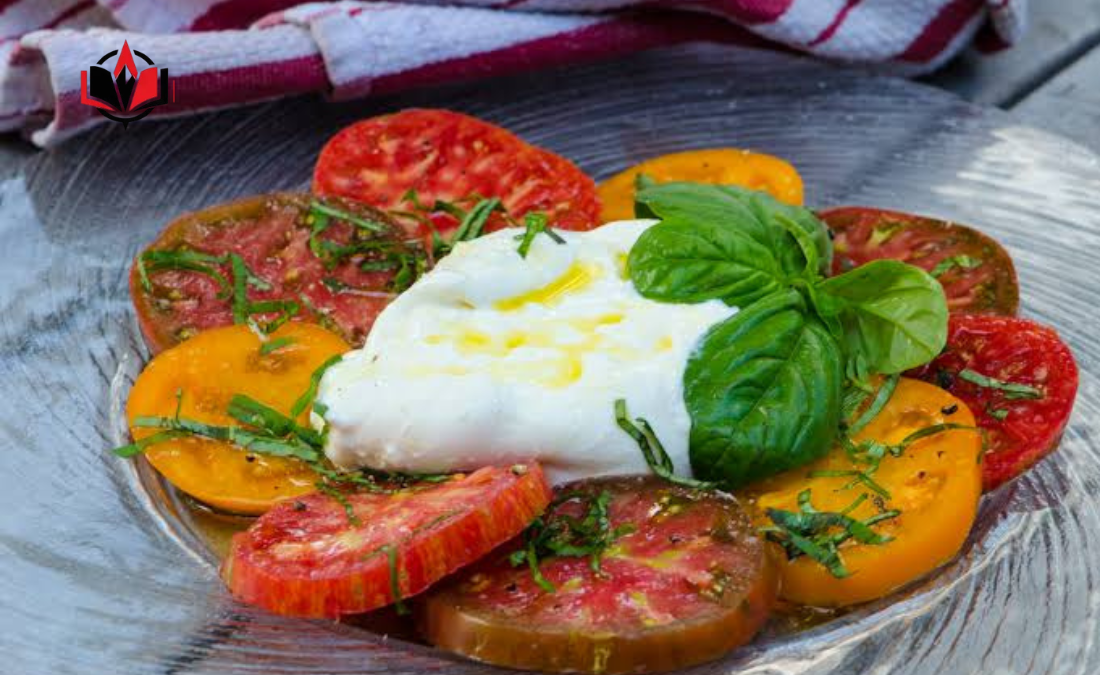
Caprese With Burrata
Some modern restaurants replace mozzarella with burrata. Burrata has a soft, creamy interior that makes the salad richer and more indulgent.
How Restaurants Usually Present Caprese Salad
Presentation is an important part of a restaurant-style Caprese.
A traditional presentation often alternates slices of tomato and mozzarella around a plate, with basil leaves placed between them. Olive oil and seasoning are added near the time of serving.
A recent Argentine cooking article describing restaurant-style preparation recommends using broad, thick tomato slices and arranging them with mozzarella and whole basil leaves for a more refined presentation.
Another approach uses cherry tomatoes and small mozzarella pieces, creating a more casual salad that is easy to share.
How to Find the Best Ensalada Caprese Near You
If you are using the search phrase “best ensalada caprese Argentina near me,” do not rely only on the restaurant’s name. Look at the menu and recent customer photos when possible.
Here are some useful things to check:
Check the Menu
Look for “Ensalada Caprese,” “Caprese Salad,” or similar wording. Some restaurants may list the ingredients directly underneath the dish name.
Look at Recent Food Photos
Photos can help you determine whether the restaurant uses large fresh tomatoes, mozzarella, basil, cherry tomatoes, or other variations.
Check Ingredient Quality
Fresh tomatoes and good mozzarella are more important than a long list of additional ingredients.
Consider the Restaurant Style
Italian restaurants, Argentine restaurants, Mediterranean restaurants, and modern cafés may all offer Caprese salad.
Check Serving Size
A Caprese may be offered as an appetizer, side dish, or larger salad. Check the portion size if you want it as your main meal.
Ask About Ingredients
If you have dietary restrictions or specific preferences, ask whether the salad contains balsamic vinegar, pesto, olives, or other additions.
What to Eat With Caprese Salad
Caprese works well with many different foods.
It can be served before pasta or pizza, alongside grilled chicken, or as a fresh side dish with grilled meat.
In Argentina, a fresh Caprese can also provide a contrast to richer foods and grilled dishes. Its combination of tomato, mozzarella, and basil makes it particularly suitable for warm-weather meals.
Crusty bread is another simple accompaniment because it can absorb olive oil and tomato juices.
Can You Make Argentine-Style Caprese at Home?
Yes. Caprese is one of the easiest salads to prepare at home.
Start with ripe but firm tomatoes and fresh mozzarella. Slice both into relatively even pieces. Place the tomato and mozzarella alternately on a plate and add fresh basil leaves.
Finish with extra-virgin olive oil, salt, and freshly ground black pepper.
An Argentine cooking source recommends cutting tomato and mozzarella into slices, alternating them on a plate, adding fresh basil, and finishing with olive oil, salt, and pepper.
The entire preparation requires no cooking, which makes it particularly convenient during hot weather.
Common Mistakes When Preparing Caprese
Even though the recipe is simple, several mistakes can affect the final result.
Using unripe tomatoes can make the salad bland and acidic. Extremely soft tomatoes can also make the plate watery.
Another common problem is using low-quality mozzarella. Since there are only a few main ingredients, the flavor of the cheese is easy to notice.
Too much vinegar or balsamic glaze can also cover the delicate flavor of the tomato and mozzarella.
Finally, dried basil does not provide the same fresh aroma as whole fresh basil leaves.
Why Freshness Matters So Much
Caprese is different from complicated dishes because there are very few ingredients to hide behind.
When a dish contains many sauces, spices, and cooking techniques, one ingredient may compensate for another. With Caprese, the tomato, mozzarella, and basil are exposed.
This is why restaurants that use fresh, seasonal tomatoes and good-quality mozzarella can create a much more enjoyable version.
The Argentine Nestlé recipe guide also emphasizes the importance of ingredient quality, particularly tomatoes, mozzarella, and fresh basil.
Final Thoughts on the Best Ensalada Caprese Argentina Near Me
Searching for the best ensalada caprese Argentina near me is ultimately about finding a restaurant that pays attention to simple ingredients.
A good Caprese should have ripe and flavorful tomatoes, fresh mozzarella, aromatic basil, quality olive oil, and balanced seasoning. Argentine restaurants may add their own regional character through local mozzarella, olive oil, herbs, olives, or other ingredients.
Whether you prefer a traditional three-ingredient salad or a more creative Argentine interpretation, checking the restaurant menu, ingredients, photos, and recent customer information can help you find a version that matches your preferences.
Caprese remains popular because it is fresh, uncomplicated, versatile, and easy to enjoy as an appetizer, side dish, or light meal.
Frequently Asked Questions
1. What is ensalada Caprese?
Ensalada Caprese is a classic Italian salad made primarily with tomatoes, mozzarella, and fresh basil. Olive oil, salt, and pepper are commonly used for seasoning. It has also become popular in Argentina because of the country’s strong Italian culinary influence.
2. What ingredients should a good Caprese salad contain?
A traditional Caprese should contain ripe tomatoes, fresh mozzarella, and fresh basil. Extra-virgin olive oil, salt, and pepper can be added for seasoning. Some restaurants also offer variations with balsamic vinegar, olives, pesto, cherry tomatoes, or burrata.
3. Is Caprese salad popular in Argentina?
Yes. Caprese salad is widely found in Argentine restaurants and recipes. Argentina’s long-standing Italian culinary influence has helped make dishes such as Caprese familiar within the country’s food culture. Argentine restaurants may serve traditional versions or adapt the dish using local ingredients.
4. Does traditional Caprese salad contain balsamic vinegar?
Not necessarily. A simple traditional version can be prepared with tomatoes, mozzarella, basil, olive oil, and seasoning. Balsamic vinegar or balsamic glaze is a popular variation, but it is not essential to the basic recipe. Argentine cooking sources also show versions prepared with balsamic ingredients.
5. How can I find the best Caprese salad near me?
Search restaurant menus for “Ensalada Caprese” or “Caprese Salad,” then compare recent food photos, ingredients, portion sizes, and customer reviews. Italian, Argentine, and Mediterranean restaurants are useful places to start. If you want a specifically Argentine version, check whether the restaurant describes its Caprese as Argentine-style or uses locally produced ingredients.