
Introduction
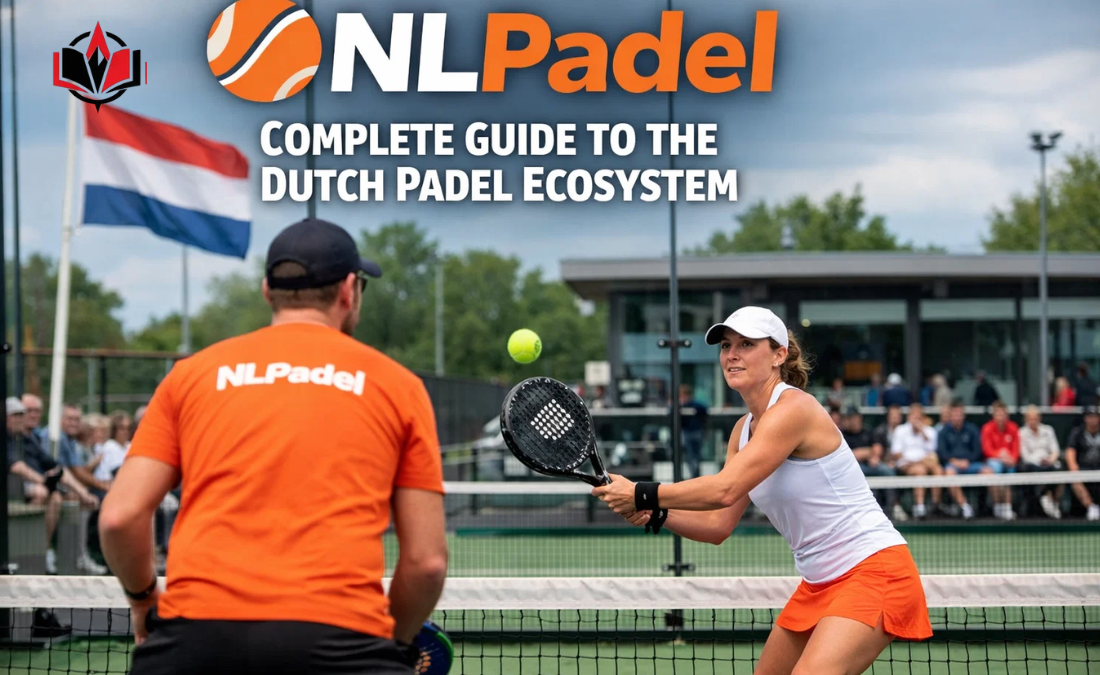
NLPadel represents the rapidly growing padel culture in the Netherlands. It is not a single company or one fixed organization, but rather a modern sports ecosystem built around the game of padel. This ecosystem includes players, clubs, training systems, digital platforms, and competitions that together support the development of the sport.
Padel itself is one of the fastest-growing racket sports in the world, and the Netherlands has become an important country in its expansion. NLPadel reflects how this sport is organized, played, and experienced across the country.
This article explains NLPadel in detail, including its structure, features, benefits, and future development.
What is NLPadel?
NLPadel is a term commonly used to describe the entire padel environment in the Netherlands. It includes everything related to the sport, such as:
- Padel clubs and courts
- Players and communities
- Training and coaching programs
- Competitive tournaments
- Digital booking and match systems
In simple terms, NLPadel is the combined system that supports padel activities in the Netherlands.
Understanding the Sport of Padel
To understand NLPadel, it is important to first understand padel itself.
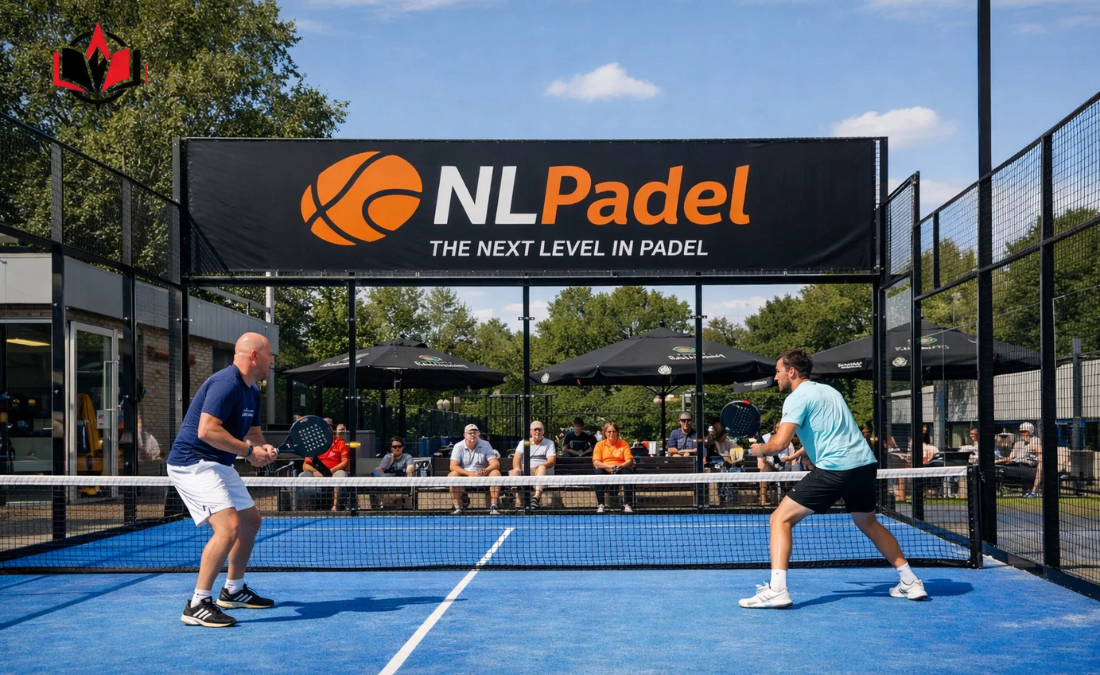
Padel is a racket sport that combines elements of tennis and squash. It is played on an enclosed court with glass and mesh walls.
Key Characteristics of Padel
- Played in doubles (2 vs 2)
- Uses a solid, stringless racket
- Ball can bounce off walls
- Smaller court than tennis
- Easy to learn and highly social
Because of its simple rules and fast-paced gameplay, padel is popular among beginners and experienced athletes alike.
Growth of Padel in the Netherlands
Padel has experienced rapid growth in the Netherlands over the past decade. Several factors contribute to this expansion:
1. Easy Accessibility
People can quickly learn the basics and start playing without long training periods.
2. Social Nature
The doubles format encourages communication and teamwork, making it enjoyable and social.
3. Infrastructure Development
Many sports clubs have added padel courts, increasing availability nationwide.
4. Rising Popularity
More people are discovering padel as a fun alternative to traditional racket sports.
The Structure of NLPadel
NLPadel can be understood as a structured system made up of several key components.
1. Sports Clubs and Facilities
Across the Netherlands, padel courts are available in:
- Tennis clubs
- Dedicated padel centers
- Multi-sport facilities
These locations form the physical foundation of NLPadel.
2. Player Community
The NLPadel ecosystem includes a diverse group of players:
- Beginners learning the sport
- Casual recreational players
- Competitive athletes
- Coaches and trainers
This diversity creates a strong and active sports community.
3. Training and Coaching
Training plays an important role in NLPadel. Programs are available for:
- Beginners learning basic skills
- Intermediate players improving technique
- Advanced players focusing on strategy
Coaches help players improve footwork, positioning, and match awareness.
4. Competitions and Leagues
NLPadel includes organized competitive structures such as:
- Local club matches
- Regional tournaments
- National-level competitions
These events allow players to test their skills and improve over time.
5. Digital Platforms and Technology
Modern NLPadel systems rely heavily on digital tools, including:
- Online court reservations
- Player matching systems
- Match scheduling applications
- Performance tracking tools
Technology makes the entire system more efficient and accessible.
Why NLPadel is Becoming So Popular
NLPadel is growing quickly due to several important reasons:
1. Easy to Learn
Unlike many sports, padel has a very simple learning curve, making it suitable for all ages.
2. Fast and Fun Gameplay
Matches are quick, energetic, and enjoyable.
3. Social Experience
Because it is always played in pairs, it promotes social interaction.
4. Fitness Benefits
Padel improves:
- Reflexes
- Coordination
- Endurance
- Mental focus
5. Modern Sports Experience
The combination of sport and technology makes NLPadel very modern and user-friendly.
Rules of Padel (Simple Overview)
Understanding the basic rules helps explain how NLPadel works:
- Played in teams of two
- Scoring system similar to tennis
- Ball can bounce off walls
- Serves are underhand
- Court is smaller than a tennis court
These simple rules make the sport accessible to beginners.
NLPadel Player Journey
A typical experience within NLPadel looks like this:
Step 1: Finding a Court
Players use online systems to locate and book courts.
Step 2: Joining Matches
Players can join existing games or create new ones.
Step 3: Playing the Game
Matches are played in a fun, fast-paced environment.
Step 4: Skill Improvement
Players join coaching sessions or tournaments to improve.
NLPadel vs Traditional Racket Sports
| Feature | NLPadel | Traditional Racket Sports |
|---|---|---|
| Learning Difficulty | Easy | Moderate to Hard |
| Social Interaction | Very High | Medium |
| Game Speed | Fast | Varies |
| Court Size | Small | Larger |
| Accessibility | High | Moderate |
This comparison shows why padel is attracting so many new players.
Role of Technology in NLPadel
Technology plays a major role in shaping NLPadel.
Smart Booking Systems
Players can easily reserve courts online.
Match Matching Systems
Players are grouped based on skill level for balanced matches.
Performance Tracking
Some systems track:
- Match results
- Player progress
- Skill improvement
Digital Coaching Tools
New tools are being developed to help players analyze and improve their performance.
Challenges in NLPadel Development
Even though NLPadel is growing, it faces some challenges:
1. High Demand for Courts
In some areas, court availability is limited due to popularity.
2. Infrastructure Costs
Building new padel courts requires investment.
3. Skill Balance
Matching players of different skill levels can be challenging.
4. Rapid Expansion
The sport is growing faster than some systems can manage.
Future of NLPadel
The future of NLPadel looks very promising.
Expected Developments:
- More courts across the country
- Expansion of youth programs
- Increased professional competitions
- Improved digital platforms
- Stronger international participation
The Netherlands is expected to remain one of the leading countries in padel development.
Conclusion
NLPadel represents a modern and structured approach to sports development in the Netherlands. It combines physical activity, community engagement, and digital innovation into a single ecosystem.
It is not just about playing a game—it is about creating a connected environment where people can learn, compete, and enjoy the sport together.
With its rapid growth and strong community support, NLPadel continues to shape the future of padel in the Netherlands.
FAQs
1. What is NLPadel?
NLPadel is the overall padel ecosystem in the Netherlands, including players, clubs, and competitions.
2. Is NLPadel related to any financial or gambling activity?
No, NLPadel is purely a sports and recreational system.
3. Who can participate in NLPadel?
Anyone can participate, from beginners to advanced players.
4. Is padel difficult to learn?
No, padel is very easy to learn compared to many other racket sports.
5. Why is NLPadel growing so fast?
Because it is social, easy to learn, fun, and widely accessible.