
Table of Contents
ToggleIntroduction
In the modern world of industrial design, where functionality meets art, few studios have managed to create as much visual impact with simplicity as Kibard. Known for its innovative approach to minimalism and conceptual design, Kibard has gained international recognition for producing objects that are not only functional but also visually thought-provoking.
The term “Kibard” is commonly associated with the design studio Kibardindesign, founded by industrial designer Kirill Kibardin. This studio is widely respected in the global design community for creating clocks, furniture, and home objects that challenge traditional perceptions of how everyday items should look and function.
This article explores everything about Kibard, including its origins, design philosophy, products, influence, and global reputation.
What is Kibard?
Kibard refers to the creative design identity of the studio known as Kibardindesign. It is not just a brand that produces products; it is a conceptual design studio that focuses on transforming ordinary objects into artistic expressions.
At its core, Kibard is about:
- Minimalism
- Conceptual thinking
- Optical illusion design
- Functional art
Unlike traditional manufacturing companies, Kibard does not aim to produce mass-market goods. Instead, it creates limited, often experimental pieces that blend design innovation with aesthetic storytelling.
Founder of Kibard
Kibardindesign was founded by Kirill Kibardin, a Ukrainian industrial designer known for his experimental and modern design approach.
Kirill Kibardin’s work is influenced by:
- Architecture
- Geometry
- Human perception
- Technology and engineering
He believes that design should go beyond functionality and should also provoke curiosity. This philosophy is clearly reflected in all Kibard creations, where simplicity often hides complex engineering or visual illusions.
Kibard Design Philosophy
The philosophy behind Kibard is centered around a powerful idea:
“Less is not just more — it is everything essential.”
This means every object is stripped down to its purest form while still maintaining function and meaning.
Key Principles of Kibard Design:
1. Minimalism
Kibard removes unnecessary elements. There is no excess decoration, only clean and essential shapes.
2. Conceptual Design
Each product is designed with an idea behind it, not just appearance. Many items represent abstract thinking or visual storytelling.
3. Optical Illusion
A major feature of Kibard products is illusion. Objects often appear to float, disappear, or defy normal structure.
4. Functionality Meets Art
Every product serves a purpose, but also acts as a piece of modern art.
5. Emotional Simplicity
Kibard designs aim to create calmness, focus, and curiosity in the user’s environment.
Kibardindesign Studio Overview
Kibardindesign is internationally known in the design world for its experimental approach. The studio has produced a wide range of objects, but it is especially recognized for its clocks and interior design pieces.
The studio often collaborates with design exhibitions and galleries, showcasing its work in global creative spaces. Its designs are frequently featured in architecture magazines and modern design platforms.
Famous Kibard Products
Kibard is best known for its unique and artistic product line. Below are some of its most notable categories:
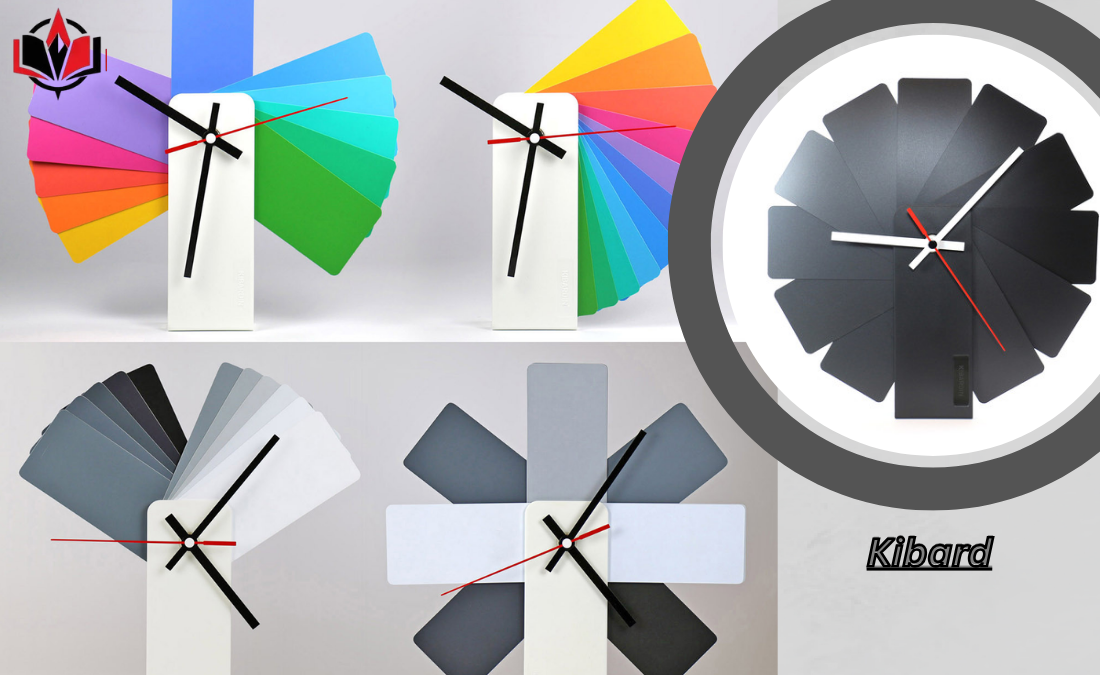
1. Minimalist Clocks
One of Kibard’s most iconic creations is its modern clock designs. These clocks often eliminate traditional numbers and replace them with abstract markers or hidden indicators.
Features include:
- Floating clock hands
- Invisible or hidden dials
- Silent mechanisms
- Abstract time representation
These clocks are not just tools for telling time—they are visual art pieces.
2. Optical Illusion Clocks
Some Kibard clocks create illusions where:
- Time appears to float in space
- Components seem detached from the base
- Shadows are used as functional indicators
These designs challenge how users perceive time itself.
3. Furniture and Interior Objects
Kibard also designs furniture and home décor items that follow the same minimalist philosophy.
Examples include:
- Simple geometric tables
- Wall-mounted shelves
- Conceptual lamps
- Sculptural home accessories
These items are often used in modern architectural interiors.
4. Concept Lamps
Lighting is another important area of Kibard design. Lamps are designed to:
- Hide light sources
- Create soft ambient lighting
- Use reflection and shadow creatively
These designs are often used in luxury and modern interior spaces.
Design Style and Aesthetic
Kibard’s design language is strongly recognizable. It blends multiple influences into a single aesthetic direction.
Characteristics of Kibard Style:
Minimal Geometry
Shapes are simple: circles, lines, and rectangles dominate the design.
Monochrome Colors
Most products use neutral colors such as white, black, grey, or metallic tones.
Futuristic Feel
Many designs look like they belong in a future environment or sci-fi setting.
Scandinavian Influence
Clean, calm, and functional design elements reflect Scandinavian design principles.
Why Kibard is Popular
Kibard has gained popularity for several reasons:
1. Unique Visual Identity
Its products are instantly recognizable due to their unusual simplicity and illusion-based design.
2. Artistic Value
Many people view Kibard objects as collectible art pieces rather than just functional tools.
3. Modern Interior Trend
Minimalist interior design is widely popular, and Kibard fits perfectly into this trend.
4. Social Media Appeal
Kibard designs are frequently shared on platforms like Instagram and Pinterest due to their aesthetic appeal.
5. Design Community Recognition
Architects, designers, and creative professionals appreciate Kibard for its conceptual depth.
Kibard in Modern Interior Design
Kibard products are often used in spaces that focus on minimalism and elegance.
Common environments include:
- Modern apartments
- Creative studios
- Luxury office spaces
- Design exhibitions
- Architectural showrooms
These objects help create a clean, focused, and artistic atmosphere.
Impact on Industrial Design
Kibard has contributed significantly to modern industrial design by:
- Challenging traditional object design
- Introducing illusion-based functionality
- Encouraging minimalism as a design standard
- Blending art and engineering
Many emerging designers look at Kibard as an inspiration for experimental product design.
Kibard as a Design Movement
Beyond being a studio, Kibard represents a broader movement in design that values:
- Thought over decoration
- Emotion over complexity
- Space over clutter
- Idea over mass production
This philosophy continues to influence modern design thinking across the world.
Conclusion
Kibard is more than a design studio—it is a creative philosophy that transforms everyday objects into visual experiences. Through its minimalist clocks, illusion-based designs, and conceptual furniture, Kibardindesign has established itself as a leader in modern industrial design.
Its work demonstrates that simplicity can be powerful, and that objects can be both functional and artistic at the same time. In a world filled with complexity, Kibard offers a refreshing reminder that less truly can be more.
FAQs
1. What is Kibard?
Kibard refers to the design identity of Kibardindesign, a studio known for creating minimalist and conceptual home and lifestyle objects.
2. Who founded Kibard?
Kibardindesign was founded by Kirill Kibardin, a Ukrainian industrial designer known for experimental and minimalist design work.
3. What makes Kibard products unique?
Kibard products are unique because they use minimalism, optical illusions, and conceptual design to create artistic yet functional objects.
4. What is Kibard most famous for?
Kibard is best known for its modern minimalist clocks that often use floating elements and abstract time displays.
5. Are Kibard products practical or decorative?
They are both. Kibard products are fully functional but are also designed as artistic and decorative pieces for modern interiors.