Introduction
Food lovers around the world are constantly searching for unique and flavorful dishes, and one hidden gem that deserves attention is pasticho, often described as Venezuelan lasagna. If you have recently searched for “best pasticho Venezuelan lasagna near me,” you are likely curious about this rich, layered dish and where to find it. While it may not be as globally widespread as traditional Italian lasagna, pasticho offers a distinctive twist that makes it truly special.
This comprehensive guide will walk you through everything you need to know about pasticho—its origins, ingredients, differences from traditional lasagna, where to find it locally, and how to enjoy it even if it is not readily available near you.
What Is Pasticho?
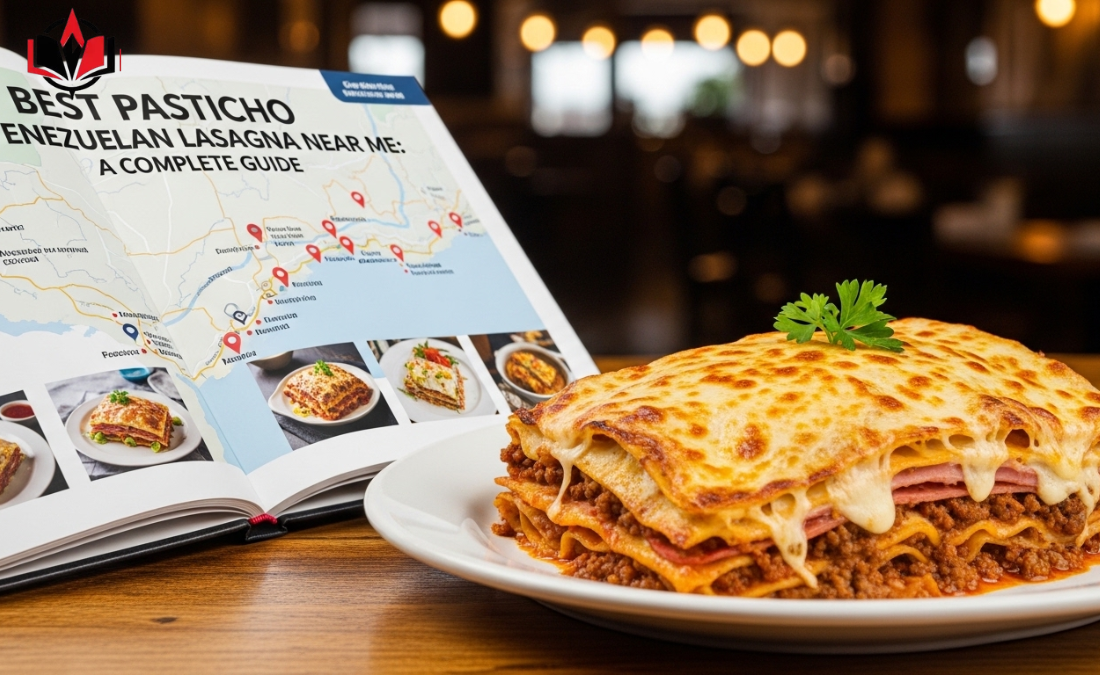
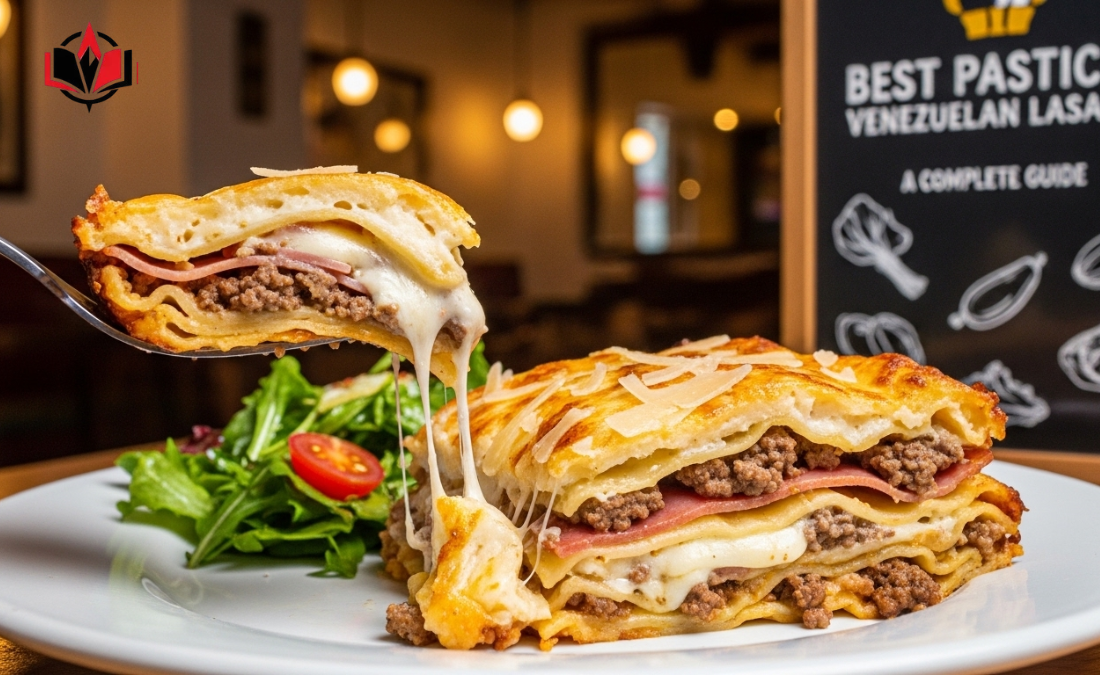
Pasticho is a beloved Venezuelan dish inspired by Italian lasagna but adapted to local tastes and ingredients. It is a layered pasta dish made with sheets of pasta, meat sauce, béchamel (white sauce), and cheese. However, what sets it apart is its creamy texture and unique flavor profile.
Unlike traditional lasagna, which often uses ricotta cheese, pasticho relies heavily on béchamel sauce, giving it a smoother and richer consistency. It is commonly baked until golden and slightly crispy on top, making it both visually appealing and delicious.
The Origins of Pasticho
Pasticho reflects the influence of Italian immigrants who settled in Venezuela during the 19th and 20th centuries. These immigrants brought their culinary traditions with them, including lasagna. Over time, Venezuelans adapted the dish to suit local preferences, resulting in the creation of pasticho.
Today, pasticho is a staple in Venezuelan households and is often served during family gatherings, celebrations, and special occasions. It represents a perfect blend of European and Latin American culinary traditions.
Key Ingredients in Pasticho
To truly understand why pasticho is so special, it is important to look at its core ingredients:
1. Pasta Sheets
Just like lasagna, pasticho uses flat pasta sheets layered throughout the dish.
2. Meat Sauce
A rich and savory meat sauce, typically made with ground beef, tomatoes, onions, garlic, and spices.
3. Béchamel Sauce
This is the defining feature of pasticho. The creamy white sauce is made from butter, flour, and milk, creating a smooth and velvety texture.
4. Cheese
Mozzarella and parmesan are commonly used to add depth and richness.
5. Optional Additions
Some variations include:
- Ham slices
- Sweet plantains
- Boiled eggs
- Chicken instead of beef
These variations add a unique twist and reflect regional or personal preferences.
Pasticho vs. Traditional Lasagna
Although pasticho and lasagna may look similar, there are several important differences:
Texture
Pasticho is creamier due to the heavy use of béchamel sauce, while lasagna can be more structured and firm.
Cheese
Traditional lasagna often uses ricotta cheese, whereas pasticho does not.
Flavor Profile
Pasticho tends to have a slightly sweeter and richer taste, especially when ingredients like plantains are added.
Cultural Influence
Lasagna is purely Italian, while pasticho represents a fusion of Italian and Venezuelan cuisines.
Why Pasticho Is Hard to Find Locally
If you are searching for “pasticho near me,” you may find limited options depending on your location. This is because Venezuelan cuisine is not as widely represented globally as Italian or Chinese food.
In many cities, Venezuelan restaurants focus more on popular street foods like arepas and empanadas rather than pasticho. As a result, finding authentic pasticho can be challenging, especially in regions where Latin American cuisine is less common.
How to Find the Best Pasticho Near You
Even if pasticho is rare in your area, there are still ways to enjoy something similar or locate authentic options:
1. Search for Venezuelan Restaurants
Look for restaurants specializing in Latin American or Venezuelan cuisine. These are your best chances of finding authentic pasticho.
2. Explore International Food Apps
Food delivery platforms often list hidden gems that may not appear in standard searches.
3. Check Social Media
Many home-based chefs and small businesses promote their dishes on platforms like Instagram and Facebook. Searching for “pasticho” or “Venezuelan food” may lead you to local cooks offering homemade versions.
4. Visit Italian Restaurants
While not identical, high-quality lasagna with béchamel sauce can closely resemble pasticho. Ask for a creamy or white-sauce-based lasagna.
Making Pasticho at Home
If you cannot find pasticho near you, the best solution is to make it yourself. The process is straightforward and rewarding.
Ingredients Needed
- Lasagna sheets
- Ground beef
- Tomato sauce
- Onion and garlic
- Milk, butter, and flour (for béchamel)
- Mozzarella and parmesan cheese
Basic Steps
- Prepare the meat sauce
Cook ground beef with onions, garlic, and tomato sauce until thick. - Make the béchamel sauce
Melt butter, add flour, and slowly whisk in milk until smooth. - Layer the dish
Alternate layers of pasta, meat sauce, béchamel, and cheese. - Bake
Cook in the oven at 180°C (350°F) for about 40–50 minutes until golden. - Let it rest
Allow the pasticho to cool slightly before serving to help it set.
Tips for the Best Flavor
- Use high-quality cheese for a richer taste
- Season each layer properly
- Do not skip the resting time after baking
- Add a pinch of nutmeg to the béchamel for extra depth
Nutritional Value
Pasticho is a hearty and filling dish. It provides:
- Protein from meat and cheese
- Carbohydrates from pasta
- Calcium from dairy
However, it is also high in calories and fat, so it is best enjoyed in moderation.
Cultural Significance
In Venezuela, pasticho is more than just a meal—it is a symbol of family and togetherness. It is often prepared in large portions and shared during gatherings. The dish reflects the country’s diverse cultural influences and its ability to adapt global recipes into something uniquely its own.
Conclusion
Searching for the “best pasticho Venezuelan lasagna near me” may not always yield immediate results, especially in areas where Venezuelan cuisine is rare. However, understanding what pasticho is and how it differs from traditional lasagna opens up new ways to enjoy it.
Whether you find it at a specialty restaurant, order a similar dish from an Italian menu, or make it at home, pasticho is a culinary experience worth trying. Its creamy texture, rich flavors, and cultural significance make it a standout dish that deserves more global recognition.
FAQs
1. What is the difference between pasticho and lasagna?
Pasticho uses béchamel sauce instead of ricotta cheese, making it creamier and richer than traditional lasagna.
2. Can I find pasticho in regular restaurants?
It is uncommon in regular restaurants. You are more likely to find it in Venezuelan or Latin American eateries.
3. Is pasticho difficult to make at home?
No, it is quite similar to making lasagna. The main difference is preparing the béchamel sauce.
4. Can pasticho be made vegetarian?
Yes, you can replace the meat sauce with vegetables like mushrooms, spinach, or lentils.
5. Why is pasticho not widely available?
Venezuelan cuisine is not as globally распространed as other cuisines, which makes dishes like pasticho harder to find in many regions.