Introduction to Core App Dashboard
In today’s digital environment, applications play a central role in managing business operations, tracking data, and improving productivity. Many modern platforms rely on dashboards to organize complex information into simple and easy-to-understand visuals. One of the most important elements in many digital systems is the core app dashboard.
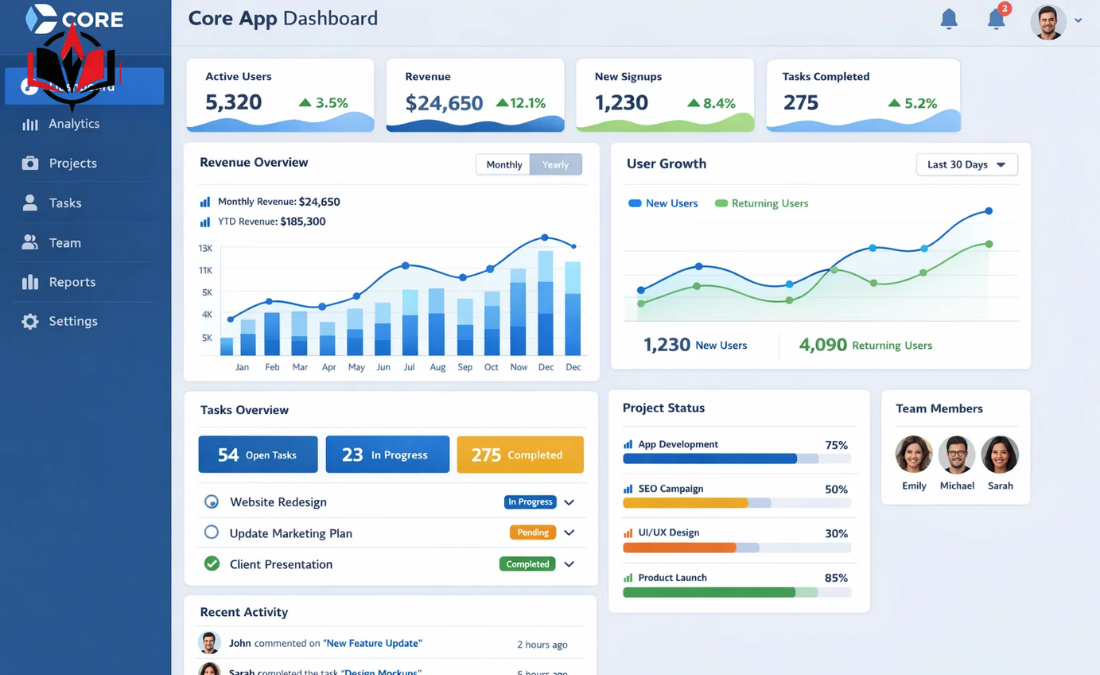
The core app dashboard serves as the central control panel of an application. It allows users to access important tools, monitor performance, and view essential data in one place. Instead of navigating through multiple menus and pages, users can quickly understand what is happening within the application through a single interface.
Businesses, developers, and organizations depend on dashboards to make informed decisions. Whether it is monitoring analytics, managing tasks, or tracking performance, the core app dashboard helps users stay organized and productive.
In this guide, we will explore what a core app dashboard is, how it works, its key features, advantages, and why it has become an essential component of modern software systems.
What Is Core App Dashboard
A core app dashboard is the main interface within an application where users can see key data, tools, and features in a visual format. It usually appears when a user logs into a system and provides a quick overview of important information.
Dashboards are designed to simplify complex data. Instead of reading large amounts of text or navigating through multiple sections, users can view charts, graphs, notifications, and summaries directly on the dashboard.
The main goal of a core app dashboard is to provide clarity and efficiency. It acts as a command center where users can monitor activity, manage tasks, and access features without confusion.
For example, many business platforms use dashboards to display sales reports, customer data, project updates, and performance metrics. This helps managers and teams quickly understand the current status of their operations.
Why Core App Dashboard Is Important
The core app dashboard plays a significant role in improving the usability and efficiency of applications. Without a well-designed dashboard, users may struggle to find the information they need or perform tasks efficiently.
Here are several reasons why dashboards are essential in modern applications.
Centralized Information
A core app dashboard gathers important data from different sections of the system and displays it in one place. This makes it easier for users to monitor activities without switching between pages.
Faster Decision Making
Dashboards often display real-time data, which allows users to make quick and informed decisions. Businesses can respond faster to changes or issues.
Improved Productivity
When users can easily access tools and information, they can complete tasks faster. This improves overall workflow and productivity.
Better User Experience
A well-designed core app dashboard provides a smooth and intuitive interface. Users can quickly understand how the system works and navigate it easily.
Because of these advantages, dashboards have become a standard feature in many software platforms.
Key Features of Core App Dashboard
A modern core app dashboard includes several features that help users manage information and tasks effectively. These features are designed to provide both functionality and visual clarity.
Data Visualization
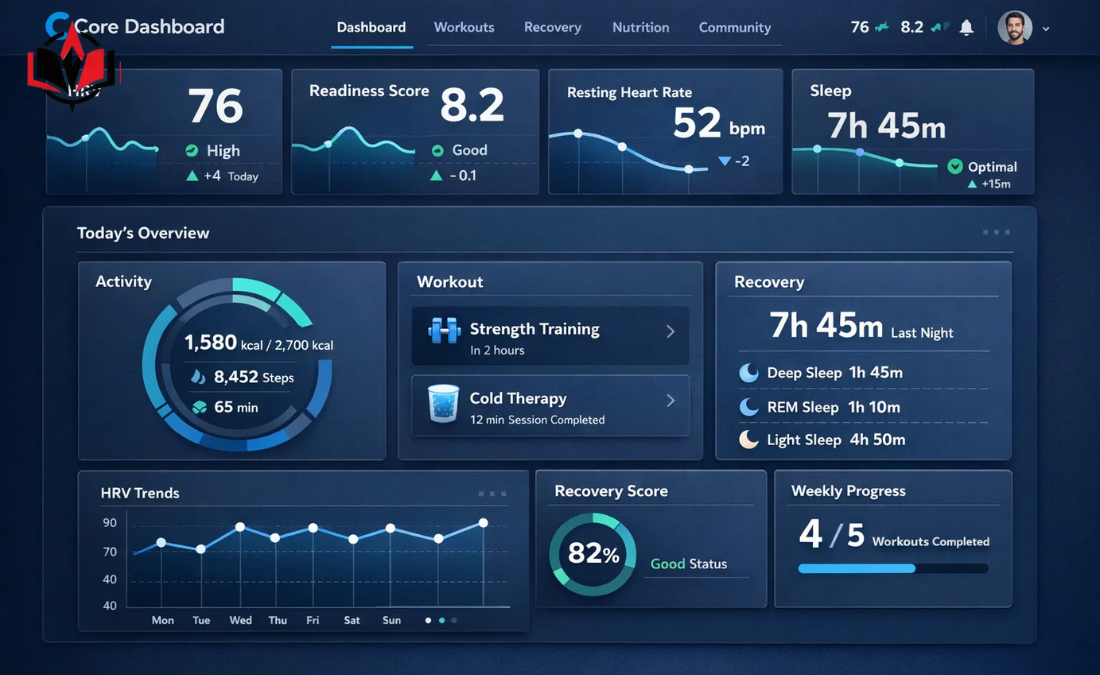
One of the most important features is data visualization. Dashboards often display information through charts, graphs, and statistics. This helps users understand trends and patterns quickly.
Real-Time Updates
Many dashboards provide real-time updates. This means that data changes instantly as new information is added to the system.
Customizable Layout
Users can often customize their dashboard layout. They can choose which widgets or tools appear on the screen based on their needs.
Notifications and Alerts
A core app dashboard may also display alerts or notifications. These alerts inform users about important updates, tasks, or system issues.
Quick Access Tools
Dashboards usually include shortcuts to important features. This allows users to access common tasks quickly without searching through menus.
These features make dashboards powerful tools for managing information efficiently.
How Core App Dashboard Works
The core app dashboard works by collecting data from different parts of an application and presenting it in a structured format. This data may come from databases, analytics systems, or user activities.
Once the data is collected, the dashboard organizes it into visual components such as widgets, graphs, and summaries. Each widget represents a specific type of information or function.
For example, a project management app might display:
- Task completion progress
- Team activity updates
- Project timelines
- Performance statistics
By presenting this information visually, the dashboard allows users to quickly understand the system’s status.
Many dashboards also use automation and integration with other tools, which ensures that the information remains accurate and up to date.
Benefits of Core App Dashboard
There are many advantages to using a core app dashboard in modern applications. These benefits help organizations operate more efficiently and make better decisions.
Improved Data Visibility
Dashboards make data easier to understand by presenting it visually. This helps users quickly identify trends and patterns.
Time Saving
Instead of searching for information across multiple pages, users can access everything from one place.
Better Performance Tracking
Organizations can monitor key performance indicators through dashboards. This helps teams stay focused on their goals.
Enhanced Collaboration
Many dashboards allow teams to share data and updates. This improves communication and collaboration between departments.
Simplified Management
Managers can oversee multiple processes through a single interface. This makes it easier to manage operations and identify potential problems.
These benefits explain why dashboards are widely used in business, technology, marketing, and many other industries.
Common Uses of Core App Dashboard
The core app dashboard is used in many different types of applications. Each industry uses dashboards to track and manage specific types of information.
Business Management Systems
Businesses use dashboards to track sales, financial performance, and operational data.
Project Management Tools
Project management platforms display tasks, deadlines, and team progress through dashboards.
Data Analytics Platforms
Analytics tools use dashboards to visualize large sets of data and generate insights.
Customer Relationship Management (CRM)
CRM systems use dashboards to monitor customer interactions, leads, and sales pipelines.
Marketing Platforms
Marketing dashboards track campaign performance, website traffic, and audience engagement.
Because dashboards can adapt to different industries, they are considered one of the most flexible tools in modern software.
Future of Core App Dashboard
As technology continues to evolve, the core app dashboard is also becoming more advanced. Developers are introducing new features that improve usability and intelligence.
Some emerging trends include:
AI-powered insights
Artificial intelligence can analyze data and provide recommendations directly on the dashboard.
Interactive dashboards
Users can interact with charts and data to explore deeper insights.
Mobile-friendly dashboards
Many platforms now design dashboards specifically for mobile devices.
Automation integration
Dashboards are increasingly connected with automated workflows and external tools.
These advancements will make dashboards even more powerful and useful in the future.
Conclusion
The core app dashboard has become an essential component of modern applications. It serves as the central hub where users can monitor information, access tools, and manage tasks efficiently.
By combining data visualization, real-time updates, and customizable features, dashboards simplify complex systems and improve productivity. Businesses and organizations rely on dashboards to track performance, make decisions, and maintain efficient workflows.
As technology continues to develop, dashboards will become even more intelligent and interactive. Their ability to organize and present information clearly ensures that they will remain a critical part of digital platforms for years to come.