Introduction
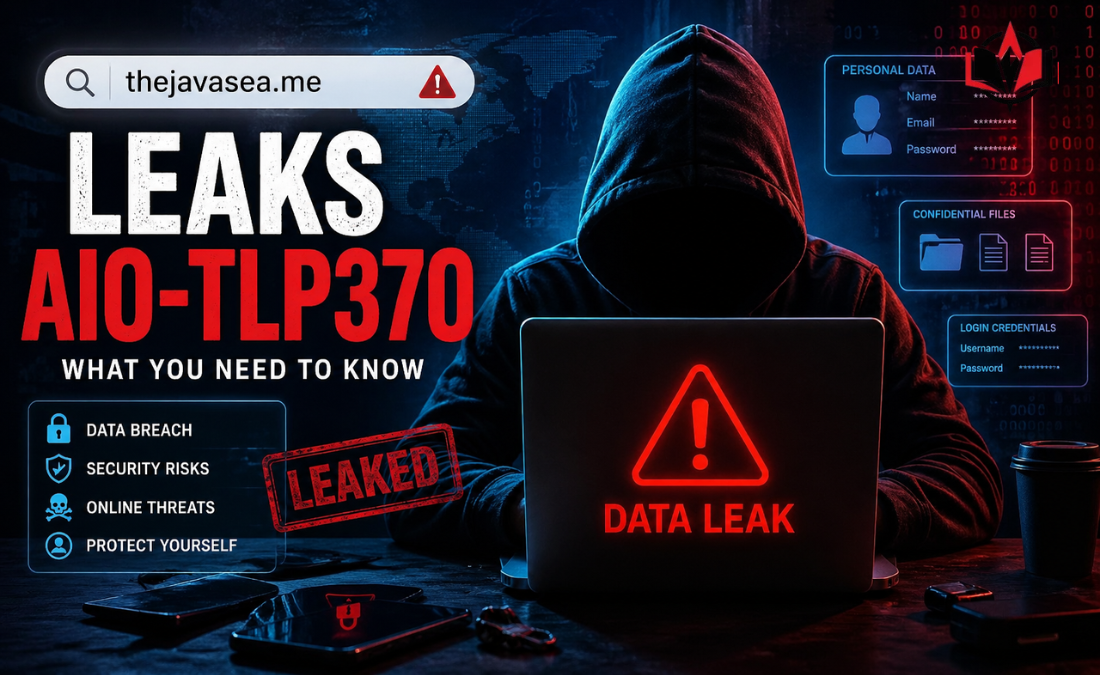
In recent months, the keyword “thejavasea.me leaks aio-tlp370” has gained attention across search engines, online forums, and social media platforms. Many users are curious about what it means, whether it is real, and if it contains valuable or dangerous information. However, like many trending topics related to data leaks, the truth is more complex than it first appears.
This article provides a comprehensive, fact-based explanation of the term, its background, possible meaning, associated risks, and what users should do if they encounter it. By the end, you will clearly understand whether this is something important, dangerous, or simply another internet trend.
What is Thejavasea.me?
Thejavasea.me appears to be a website name commonly associated with shared or leaked digital content. Sites like this are often discussed in online communities where users exchange:
- Data dumps
- Software tools
- Accounts or credentials
- Digital resources
It is important to note that such platforms are not official or regulated, and their content may not be verified. In many cases, these sites operate in a legal gray area or are flagged for hosting unauthorized material.
Understanding the Term “Leaks”
The word “leaks” refers to the unauthorized release of data. This can include:
- Personal information (emails, passwords)
- Company databases
- Private documents
- Paid or premium content
Data leaks usually occur due to security vulnerabilities, hacking, or human error. Once leaked, the data may spread across multiple websites and forums, making it difficult to control.
What Does “AIO-TLP370” Mean?
The phrase “AIO-TLP370” is not an officially recognized term, but it can be broken down into likely components:
AIO (All-In-One)
“AIO” typically means “All-In-One”, suggesting a package that contains multiple files or resources bundled together.
TLP370
“TLP370” appears to be a code, label, or identifier. In leak communities, such codes are often used to:
- Organize datasets
- Label different leak batches
- Distinguish between versions
There is no confirmed public documentation explaining exactly what “TLP370” stands for, which adds to the uncertainty.
Is AIO-TLP370 a Real Data Leak?
This is one of the most important questions.
Possible Reality
- Data leaks are common on the internet
- Bundled leak packages (AIO) do exist
- Some websites may host or link to such data
Uncertainty
- No verified or official dataset called “AIO-TLP370”
- No trusted cybersecurity source confirms its authenticity
- Many references may be clickbait or misleading
In simple terms, the keyword may refer to a real concept (data leaks) but not necessarily a verified or legitimate dataset.
Why is This Keyword Trending?
There are several reasons why “thejavasea.me leaks aio-tlp370” has become popular:
1. Curiosity and Hype
People are naturally curious about leaks, especially if they believe valuable or exclusive data is involved.
2. Fear of Exposure
Users may search to check whether their personal data has been leaked.
3. Online Promotion
Some websites use trending keywords to attract traffic, even if the information is incomplete or exaggerated.
4. Social Media Amplification
Discussions on forums and social platforms can quickly make such terms viral.
Potential Content of AIO-TLP370
Although there is no confirmed list, such leak packages typically include:
- Email and password combinations
- Databases from websites or apps
- Software tools or scripts
- Digital media files
However, it is equally possible that:
- The content is fake
- The files are incomplete
- The package is used as a trap for users
Major Risks of Accessing Leak Sites
Accessing websites associated with leaks can be extremely risky. Here are the main dangers:
1. Malware Infection
Many leak sites are used to distribute:
- Viruses
- Spyware
- Ransomware
Downloading files from untrusted sources can compromise your entire system.
2. Identity Theft
If leaked data includes personal information, it can lead to:
- Account hacking
- Financial fraud
- Unauthorized access to services
3. Legal Consequences
Accessing or downloading leaked content may violate laws in many countries. Even viewing such data can sometimes be considered unethical or illegal.
4. Phishing and Scams
Some websites imitate leak platforms to:
- Steal login details
- Trick users into entering personal information
- Redirect to harmful pages
How Do Data Leaks Happen?
Understanding how leaks occur can help you stay safe. Common causes include:
Weak Security Systems
Poorly protected databases can be easily accessed by hackers.
Phishing Attacks
Users are tricked into revealing passwords or sensitive information.
Insider Threats
Employees or insiders may leak data intentionally or accidentally.
Software Vulnerabilities
Bugs or flaws in applications can be exploited to access data.

Should You Visit Thejavasea.me?
The safest answer is no.
Reasons include:
- No guarantee of legitimate or safe content
- High risk of malware and scams
- Possible legal and ethical issues
Even if the site contains real data, accessing it is not worth the potential consequences.
How to Protect Yourself Online
If you encounter terms like “AIO-TLP370,” follow these safety practices:
Use Strong Passwords
Create unique passwords for each account and avoid reusing them.
Enable Two-Factor Authentication (2FA)
This adds an extra layer of security beyond just a password.
Avoid Suspicious Links
Do not click on unknown or untrusted URLs.
Keep Software Updated
Regular updates fix security vulnerabilities.
Use Antivirus Protection
A reliable antivirus program can detect and block threats.
How to Check if Your Data is Leaked
Instead of visiting risky websites, use safe methods:
- Trusted breach notification services
- Official cybersecurity tools
- Alerts from companies if your data is compromised
If your data is exposed:
- Change your passwords immediately
- Enable 2FA
- Monitor your accounts for unusual activity
Ethical Considerations
Even if accessing leaked data is technically possible, it raises serious ethical concerns:
- Violates privacy of individuals
- Encourages cybercrime
- Contributes to data misuse
Responsible internet use means avoiding such content entirely.
Final Thoughts
The keyword “thejavasea.me leaks aio-tlp370” represents a mix of internet curiosity, possible data leak discussions, and online speculation. While it may sound intriguing, there is no verified evidence confirming it as a legitimate or trustworthy dataset.
More importantly, interacting with such content can expose users to serious risks, including malware, identity theft, and legal trouble. The best approach is to stay informed, remain cautious, and prioritize your digital safety.
Frequently Asked Questions (FAQs)
1. What is AIO-TLP370?
AIO-TLP370 appears to be a label for a possible “all-in-one” leak package, but there is no verified information confirming its exact contents or authenticity.
2. Is thejavasea.me a safe website?
No, it is not considered safe. Websites associated with leaks often carry risks such as malware, scams, and unauthorized content.
3. Can I get hacked by visiting such sites?
Yes, simply visiting or downloading files from suspicious sites can expose your device to malware or phishing attacks.
4. Is it illegal to access leaked data?
In many countries, accessing or downloading leaked data can have legal consequences, especially if it involves stolen or private information.
5. What should I do if I think my data is leaked?
Immediately change your passwords, enable two-factor authentication, and monitor your accounts for any unusual activity.