Anne Hogarth: Introduction to a Creative Pioneer
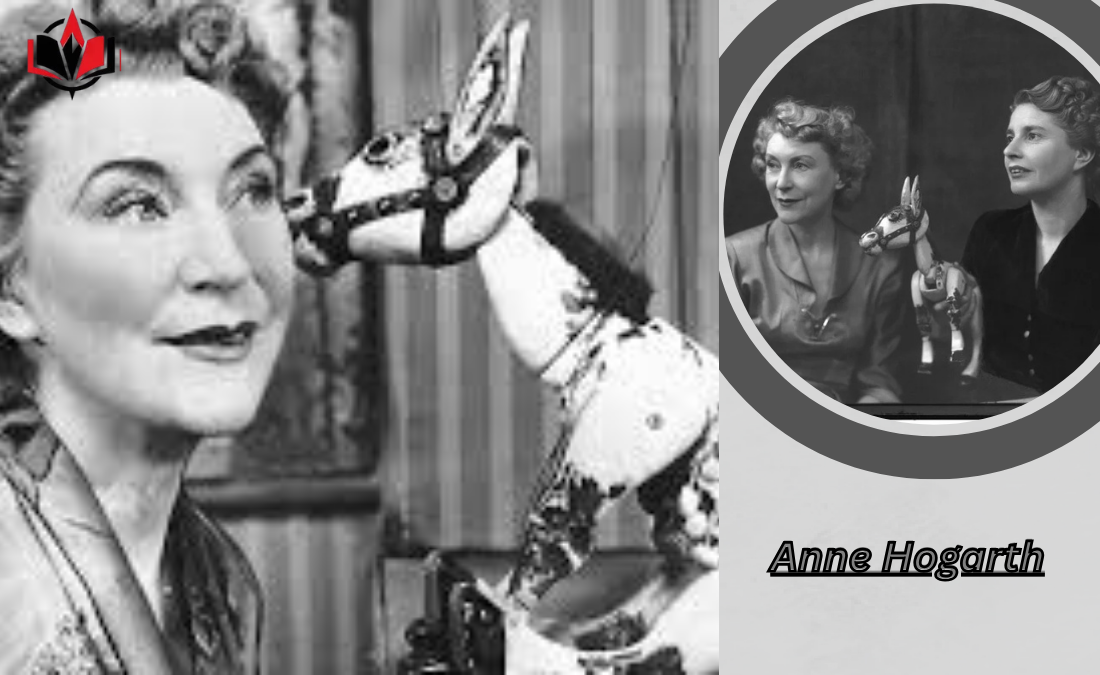
Anne Hogarth was a talented British puppeteer and performer best known for her significant contributions to modern puppetry. Her dedication to the art form helped elevate puppetry from simple children’s entertainment to a respected theatrical discipline. Anne Hogarth worked closely with her husband, the renowned puppeteer Jan Bussell, and together they played an important role in shaping contemporary puppetry in the United Kingdom.
Throughout her career, Anne Hogarth demonstrated exceptional creativity, artistic sensitivity, and technical skill. Her work combined storytelling, movement, and emotional expression, proving that puppets could communicate complex themes just as effectively as human actors. This article explores Anne Hogarth’s early life, career achievements, artistic contributions, and enduring legacy in the world of puppetry.
Anne Hogarth: Early Life and Background
Anne Hogarth was born in the early 20th century in the United Kingdom. From a young age, she displayed a deep interest in the arts, particularly performance and storytelling. Growing up during a time when theater and traditional entertainment were evolving, she was inspired by the possibilities of visual performance.
Her early exposure to creative arts encouraged her to explore different artistic forms. Although detailed records about her childhood remain limited, it is clear that her passion for performance eventually led her toward puppetry—a field that would define her career and legacy.
During her formative years, Anne Hogarth developed skills in design, crafting, and stage performance. These abilities would later become essential in building realistic and expressive puppets that captivated audiences of all ages.
Anne Hogarth and Jan Bussell: A Creative Partnership
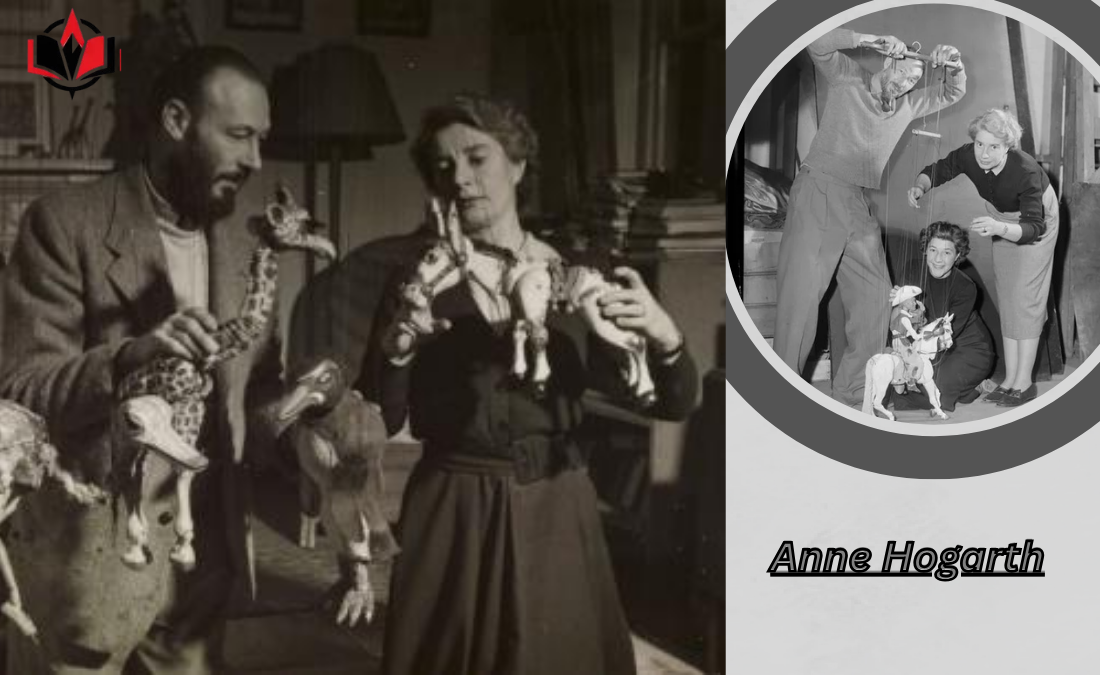
One of the most defining aspects of Anne Hogarth’s life was her collaboration with her husband, Jan Bussell. Together, they formed a powerful creative partnership that transformed British puppetry.
Their joint venture led to the establishment of the Hogarth Puppets, a company that gained national and international recognition. Unlike traditional puppet shows that primarily targeted children, Hogarth Puppets presented sophisticated performances suitable for adult audiences as well.
Anne Hogarth’s artistic direction complemented Bussell’s technical innovation. She brought emotional depth and narrative richness to their productions, while Bussell focused on mechanical design and staging. Their combined talents created a unique theatrical experience that distinguished them from other puppeteers of their time.
Anne Hogarth: Elevating Puppetry to High Art
Anne Hogarth believed that puppetry could be more than light entertainment. She envisioned it as a legitimate theatrical art form capable of exploring serious themes such as mythology, literature, and human emotion.
Through Hogarth Puppets, Anne Hogarth staged adaptations of classic stories and original productions that displayed extraordinary craftsmanship. The puppets were meticulously designed, often resembling miniature sculptures with lifelike movement. The performances were carefully choreographed, incorporating music, lighting, and dramatic timing.
Her work demonstrated that puppetry could engage audiences intellectually and emotionally. Anne Hogarth’s commitment to quality and artistic excellence helped change public perception, positioning puppetry alongside traditional theater and opera.
Anne Hogarth: International Recognition and Tours
Anne Hogarth’s influence extended far beyond the United Kingdom. The Hogarth Puppets company toured internationally, bringing their innovative productions to audiences across Europe and other regions.
Their performances were praised for their elegance, originality, and technical brilliance. Critics admired the way Anne Hogarth infused life into inanimate figures, creating characters that felt genuine and relatable.
The company’s international tours not only expanded their reputation but also contributed to global appreciation of British puppetry. Anne Hogarth became a respected ambassador for the art form, showcasing how traditional craft could blend seamlessly with modern theatrical techniques.
Anne Hogarth: Artistic Style and Techniques
Anne Hogarth’s artistic style was characterized by precision, detail, and emotional expression. She paid careful attention to costume design, facial features, and movement mechanics to ensure that each puppet conveyed personality and mood.
Her approach often included:
- Realistic hand-crafted puppet designs
- Dramatic lighting and staging
- Carefully selected musical accompaniments
- Strong narrative structure
Anne Hogarth understood that successful puppetry required more than technical skill—it demanded storytelling mastery. Each production reflected thoughtful planning and artistic vision.
Her emphasis on artistry helped inspire future generations of puppeteers who saw her work as proof that puppetry could rival live-actor theater in depth and sophistication.
Anne Hogarth: Challenges and Determination
Like many artists of her time, Anne Hogarth faced challenges in gaining recognition within mainstream theater circles. Puppetry was often dismissed as a minor or children-focused art form. However, she remained determined to change that perception.
Through consistent quality and innovative productions, Anne Hogarth gradually earned respect from critics and audiences alike. Her perseverance demonstrated her commitment to her craft and her belief in its cultural importance.
Operating a touring puppet company also required significant logistical effort. From transporting delicate puppets to coordinating performances in various venues, Anne Hogarth managed both artistic and practical responsibilities with dedication.
Anne Hogarth: Influence on Modern Puppetry
Anne Hogarth’s contributions continue to influence contemporary puppetry. Modern puppet theaters and performers build upon the foundations she helped establish.
Her work encouraged:
- Greater investment in puppet design and craftsmanship
- More serious and literary storytelling through puppetry
- Broader audience appeal beyond children
- Integration of theatrical elements such as lighting and music
Today’s puppetry festivals, experimental puppet performances, and multimedia productions owe much to pioneers like Anne Hogarth. Her vision expanded the boundaries of what puppetry could achieve.
Anne Hogarth: Later Years and Legacy
In her later years, Anne Hogarth remained connected to the arts and the puppetry community. Although active touring eventually slowed, the legacy of Hogarth Puppets continued to resonate within theatrical circles.
Her dedication ensured that her work would not be forgotten. Archives, historical records, and references to Hogarth Puppets preserve her contributions for future generations to study and appreciate.
Anne Hogarth’s life reflects the power of artistic passion and collaboration. She demonstrated that with creativity and determination, even niche art forms could achieve mainstream respect.
Anne Hogarth: Cultural Impact and Historical Significance
Anne Hogarth’s historical significance lies in her role as a cultural innovator. During a time of rapid artistic evolution in the 20th century, she embraced both tradition and experimentation.
Her productions blended classical themes with modern presentation techniques, making them accessible and engaging. She helped establish puppetry as an important component of British cultural heritage.
The work of Anne Hogarth also contributed to preserving craftsmanship traditions, including hand-carving, textile artistry, and stage design. Her emphasis on quality craftsmanship remains a hallmark of respected puppet theater companies today.
Conclusion: Anne Hogarth’s Enduring Contribution to the Arts
Anne Hogarth stands as a remarkable figure in the history of puppetry and performance. Through her collaboration with Jan Bussell and the success of Hogarth Puppets, she transformed perceptions of what puppetry could accomplish.
Her dedication to artistic excellence, storytelling, and innovation elevated puppetry into a respected theatrical discipline. Anne Hogarth’s influence continues to inspire performers, designers, and theater enthusiasts around the world.
By combining technical skill with creative vision, Anne Hogarth ensured that puppetry would be recognized not merely as entertainment, but as a meaningful and expressive art form. Her legacy remains a testament to the power of imagination, partnership, and perseverance in shaping cultural history.